
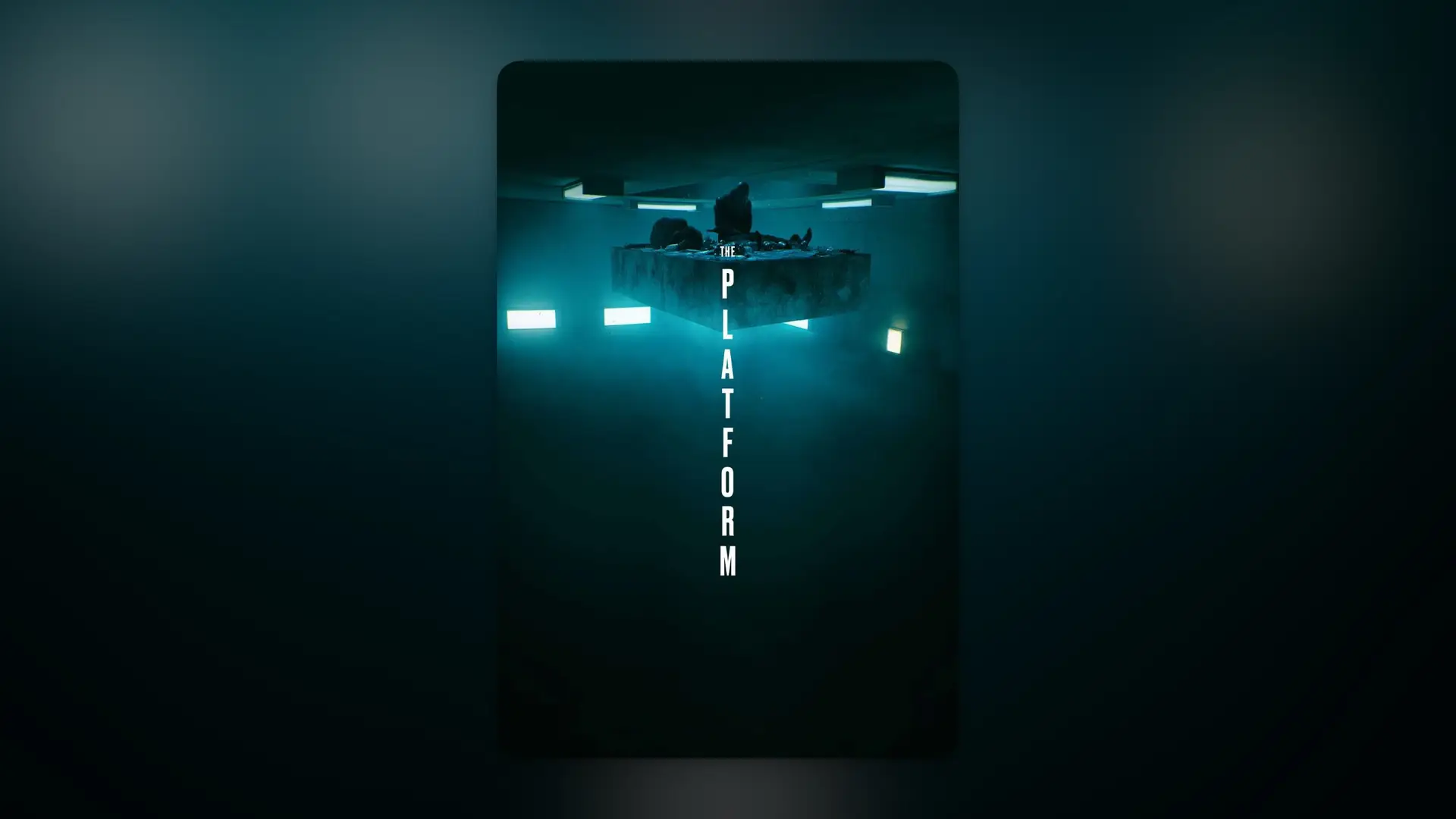
For a good hour of The Platform I wanted the bastards upstairs to leave some food for the people below. Once I was riding down with Goreng and Baharat, I was worried somebody would eat the panna cotta. An awful lot of my politics turned out to depend on where Galder Gaztelu-Urrutia put the camera.
From inside a cell, almost everything you know about the other prisoners comes from the condition of the table when it reaches you. There’s no way to tell, looking at a picked-over plate, how many people above you took only their share. All it takes is one guy with a good appetite to wipe out the evidence of everybody else’s restraint. I can see why the people who built the place went with “Vertical Self-Management Center.” Let the prisoners draw their own conclusions about who ate their dinner. Nobody’s going to lean out over that hole and yell at the architect.
Level 6, of course, sucks. The prisoners change floors every month, so the man helping himself to seconds may have spent the last month starving on 171. He knows as well as anybody what he’s doing to the people below him. He’s also been hungry for a month. I’d be pretty free with advice about his portion size from where I’m sitting. I had lunch.
After the table drops out of sight, Imoguiri can portion out a meal and ask the men below to do the same. She can’t make a promise on their behalf to anybody farther down. I’d have stayed on that floor with her a while longer. Instead we get to go with the food, and now there’s a great deal riding on two men with clubs getting dinner where it needs to go. Gaztelu-Urrutia is good at making me want them to succeed. Somebody reaches for the table and for a second I’m on the side of the guy who hits him. From the cell that would have looked like an assault. Down here with Goreng it is a mark of progress. Even if they feed everybody, I still don’t know whether these people could have fed one another.
Giving the panna cotta to a hungry child makes sense to me. What I have trouble with is how readily the film accepts that she can go upstairs in its place. Goreng gets to decide the girl is a message. She gets to face the people who built the prison, alone, and hope they understand him. There’s a pretty consequential difference between doing something for this child and deciding what she can do for everybody else. The film scarcely gives me time with her before the platform goes up.
I love that the camera stays down this time. Goreng walks off into the dark with no earthly idea whether he’s helped her. Maybe somebody in that kitchen will be horrified to discover there’s a child down here. I’d like to think so. What I believe, watching Iván Massagué disappear into that basement, is that this man would give up his own chance to go upstairs to give her one. I’m less comfortable than the movie seems to be with what he’s asked of the kid.
I have not watched the sequel.