
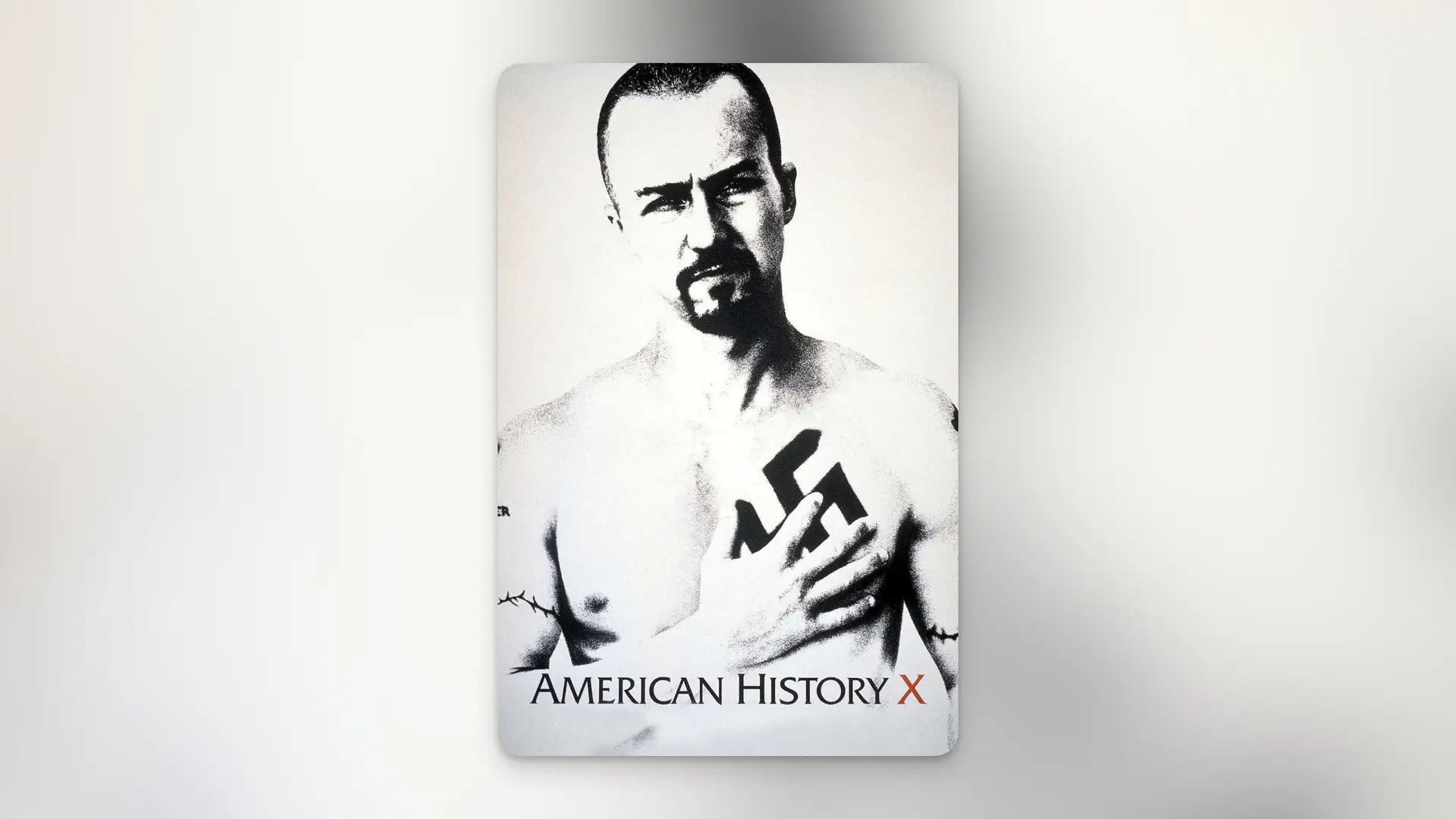
Edward Norton is frightening in this. He doesn’t actually have to hit anybody to get there. Derek can take over a dinner table and make racist garbage sound like some great truth everyone else is too scared to hear. I believe people would follow him. Norton doesn’t soften that guy to make the one who comes home from prison easier to accept, either. He gets quieter and spends more time listening. I buy his fear for his brother completely.
The prison flashbacks just don’t show me how he became this thoughtful philosopher.
I’m less certain what to make of the curb killing. It is unbearable, rightly so, and I don’t want the movie to make Derek’s violence easier to watch. But that scene has become the thing people remember the film for. It had overshadowed the rest of the movie in my memory, too. And you know what? Turns out the rest of the film is sort of a middling kludge of racial savior tropes. I get uncomfortable calling a movie like that an unmitigated success.
Danny’s school essay keeps explaining things I’ve just watched Norton get across with his face and his perfect abs. By the closing voiceover — ugg — I’m tired of being told what to take away from a performance that has already done the work. Let me sit with the guy for a minute and please, for the love of everything, can we agree that naming the movie the class title in the movie is dumb?
I get much the same impatience with the slow motion and Anne Dudley’s boys’ choir. I’ll be caught up in an ugly family argument, then feel the film working much too hard to impress on me how important all of this is. Kaye and Norton fought over the edit, and Norton helped shape the released version. I can’t tell you which of them is responsible for what bothers me, but I’m absolutely not going to assume there’s a great film hiding in Kaye’s shorter cut any more than what’s on screen in the released cut.
Avery Brooks can give me the speech, though. I love him in this. Dr. Sweeney is written as the wise Black educator who arrives to help a white man understand his life, and Brooks makes me care about him even with that excruciatingly familiar job description. When he talks about his own anger, I want to hear him out. “Has anything you’ve done made your life better?” is an awfully direct way to state the movie’s point but I am here for it. He’s my Mr. Holland. What can I say?
I need more between that conversation and the changed man Norton plays so well. His prison experience gives him reasons to question what he believes. I want to spend longer watching him try, especially after seeing how good he is at defending those beliefs. Lamont and Sweeney have a lot to undo. The breakfast conversation with his father feels WAY too convenient in the other direction. I can believe he picked up plenty from his dad, but I want more than that conversation to explain how he got so, so far. Watching in 2026, I’m also thinking about how much of that reinforcement can arrive through a screen, without anyone needing to join a gang. The father’s influence and Cameron’s recruiting haven’t become irrelevant. They just feel like a limited account of a problem the movie is very confident it has explained.
Norton and Brooks are worth seeing this for, even with all my complaints. I wish the movie would shut the hell up and let them work.