
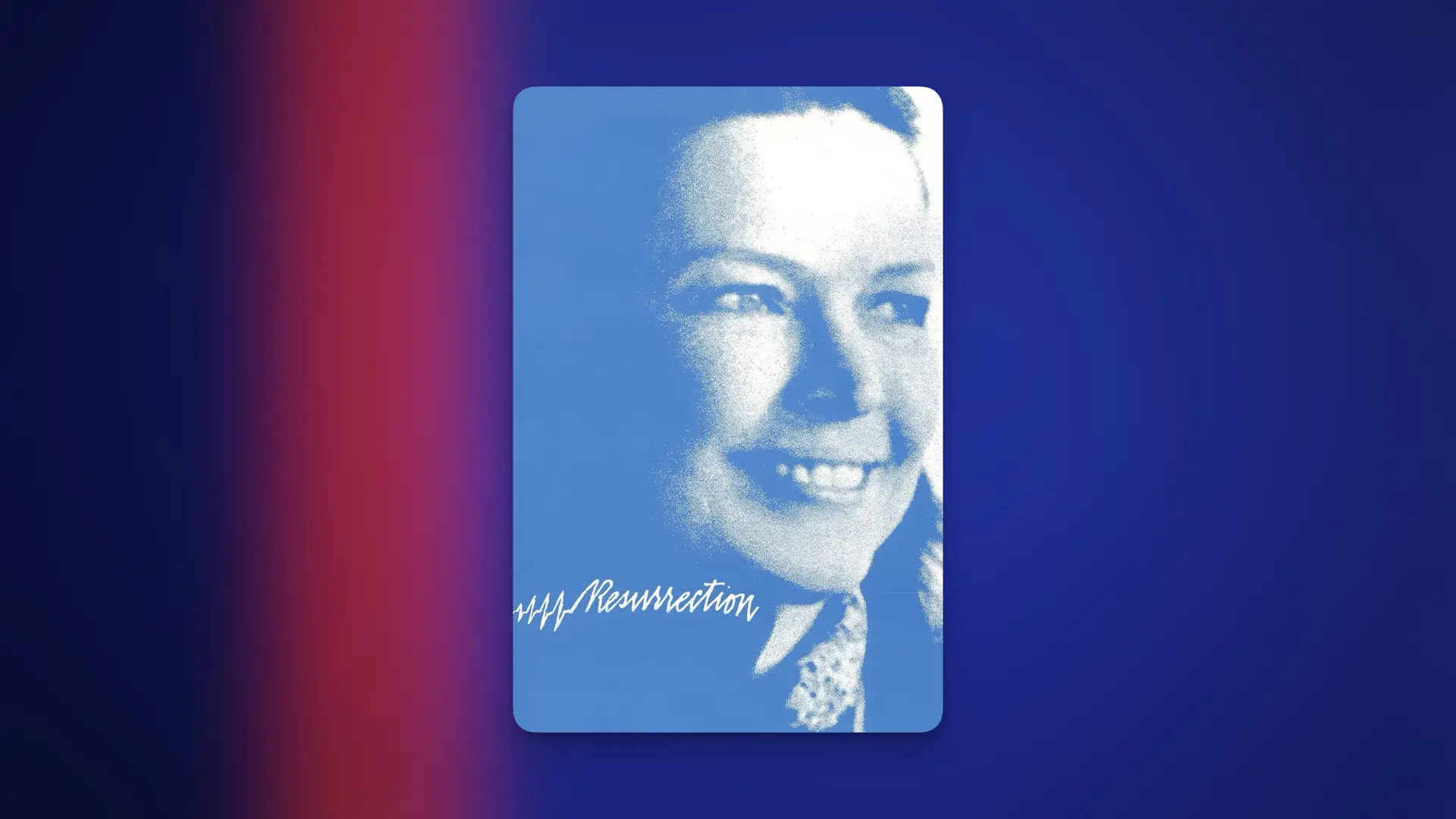
Resurrection is a film I respect more than I enjoyed, which is a frustrating place to leave an Ellen Burstyn movie.
The respect is real. This does not feel like a cynical studio miracle picture wearing a tasteful cardigan in the Dust Bowl. AFI’s production history makes clear that Burstyn was part of the film’s spiritual bloodstream: Lewis John Carlino worked with her, visited healing centers with her, and incorporated some of her thinking about healing into Edna Mae. I can feel that investment. Burstyn had something she needed to say, and through this movie, she said it.
The problem is that I did not much enjoy hearing it said this way.
The film follows Edna after a car crash kills her husband, briefly kills her, and sends her home with a healing gift nobody around her can leave alone. That premise could have turned her into a full-on savior figure, which is exactly the version of this story I tend to reject on contact. I appreciate that Resurrection avoids that. Edna does not build a ministry. She does not turn the camera into a pulpit. She does not become a glowing delivery system for an explanation the movie has already decided is good for me. The gift remains mysterious, and thank goodness for that. Explaining it would only push the film further into territory I find unpalatable.
Still, mystery alone is not enough. The film’s spiritual register kept me distant even when Burstyn was doing work I liked. She is warm, direct, and funny in the ordinary moments. I like watching Edna prick at people’s expectations. I like the flash of humor in her face before the movie remembers it is carrying a metaphysical load. Then she heals herself, or takes on someone else’s pain, or stares into the movie’s idea of grace, and I felt my attention step back from the screen. That is not an argument against belief. It is a problem with dramatization. I did not connect to the way the film made its beliefs move.
Tone is the simplest word for it, though maybe too generous. Resurrection is not restrained in a way that kept revealing new layers to me. It is flat. Monotonous. It has one solemn temperature, and it holds that temperature through grief, wonder, romance, medical curiosity, family damage, and public spectacle. That steadiness probably protects the movie from kitsch.
It also drains the thing of range. A near-death experience, a miraculous healing, a crowd of desperate people, a jealous lover turning dangerous: all of it arrives under the same soft lighting of significance.
The movie worked best for me when the media arrived and started taking Edna away from herself. Once the cameras turn on, the story gains a pressure I could actually feel. Edna becomes content before she becomes doctrine. That surprised me, especially because she is more willing to participate than I expected. I expected her recoil from the spotlight immediately, or make the exploitation so obvious that the moral math does all the work. Here, she steps into it. She lets the apparatus form around her. The gift stops being only a private mystery and becomes a public narrative with lighting cues. That is the sharpest version of the movie: the healer watching herself become a story.
Cal is the duller version. Sam Shepard has presence, and he gives Cal enough wounded heat that the role never collapses entirely. The writing around him is still almost painfully predictable. He begins as recipient, becomes lover, becomes believer, becomes threat. The screenplay needs conflict, so Cal becomes the man who turns the miracle into a possession dispute. I understand the function. I understand the warning about dogma, control, and masculine fear. I also kept waiting for him to surprise me and he never did. He enters the movie with his ending already packed.
That is where my distance from Resurrection gets complicated. I don’t think the film is stupid. I don’t think it is cheap. I don’t think it is secretly selling the thing I distrust in these movies. If anything, the ending argues for the most humane version of Edna’s gift. She has withdrawn from spectacle and accepted a life as a healer under the radar, working quietly from a gas station, away from microphones and crowds and men who need her power translated into their own language. That final scene is my favorite in the film. It is small, practical, and almost funny in its refusal to announce itself.
Also, she never heals the two-headed snake. Whither the two-headed snake, EDNA?
The film’s sincerity is not in doubt, and Burstyn gives it more human charge than its tone earns on its own. I believe this movie mattered to her. I believe it carries a real attempt to separate healing from proselytizing, mystery from doctrine, grace from performance. That it did not connect with me is more of a me problem than a movie problem. I accept that. I also watched too much of it from the far side of its belief system, admiring the conviction and waiting for the drama to become more interesting than the sermon it was trying so hard not to preach.